
Working While Studying in Canada: Avoid Costly Mistakes in 2026
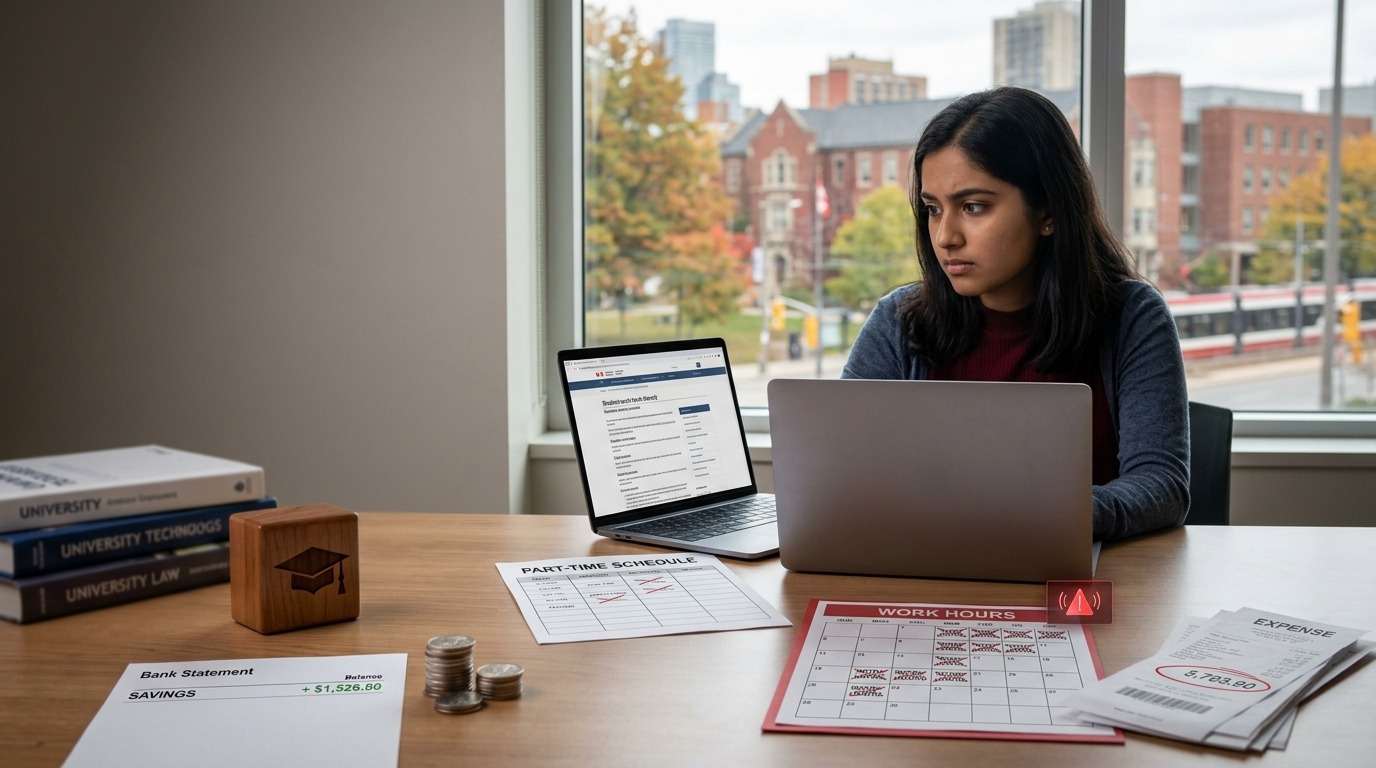
For many international students, working while studying in Canada is an important part of their study abroad plan. It can provide extra income, valuable work experience, and an opportunity to build professional connections.
But here is where many students get confused: having a study permit does not automatically mean you can work any job, anywhere, for as many hours as you want.
Canada has specific rules about who can work, where they can work, and how many hours they can work while studying. And in 2026, there is an important update for students whose programs include a co-op, internship, or other required work placement.
So, if you are planning on working while studying in Canada, here is what you need to know before accepting a job.
Important: Immigration rules can change. Always check the conditions on your own study permit and confirm that you meet the current requirements before starting work.
Can International Students Work in Canada?
Yes, many international students can work in Canada while studying. However, you must meet the eligibility requirements for the type of work you plan to do.
Your ability to work may depend on factors such as:
- your study program
- whether you are studying full-time
- the conditions printed on your study permit
- whether you are working on campus or off campus
- whether the work is part of a required student placement
One of the first things to check is your study permit. Your permit should include the appropriate condition allowing you to work.
You also cannot simply arrive in Canada and start working before your studies begin. If you are eligible to work as a student, you can generally begin working only after your study program has started. Before you start working while studying in Canada, it is important to understand that your eligibility depends on your study status, program and the conditions attached to your study permit.
Working Off Campus in Canada as an International Student
For many students, off-campus work is the most common option. This could include working for a restaurant, retail store, company or another employer outside your school.
You may be eligible to work off campus without a separate work permit if you meet the required conditions.
Generally, eligible students must:
- be full-time students at a designated learning institution (DLI)
- have started their study program
- be enrolled in an eligible post-secondary academic, vocational or professional training program, or an eligible secondary-level vocational program in Quebec
- have a valid study permit, or have applied to extend it before it expired
- be enrolled in a program that is at least six months long and leads to a degree, diploma or certificate
- have the appropriate work conditions on their study permit
- have a Social Insurance Number (SIN)
There are also limited situations where students in their final semester may still be eligible to work off campus while studying part-time.
How Many Hours Can International Students Work in Canada?
If you are eligible to work off campus, you can work up to 24 hours per week during regular academic sessions.
This limit applies to your total off-campus work. Having two or three jobs does not give you 24 hours for each job.
During regularly scheduled breaks, such as summer or winter holidays or a reading week, eligible students may be able to work unlimited hours off campus.
However, there is an important distinction: the break must be one that is officially scheduled by your school. If your program does not have scheduled breaks, the regular 24-hour weekly limit still applies. One of the most important rules for students working while studying in Canada is understanding how many hours, they are legally allowed to work during regular academic sessions.
What Happens If You Work More Than 24 Hours?
This is not a rule students should treat casually.
Working more than the permitted off-campus hours can be a violation of your study permit conditions. This could affect your student status and may also affect future immigration applications.
In serious situations, you could lose your student status, face problems with future study or work permit applications or be required to leave Canada.
The lesson is simple: do not assume that extra shifts are harmless. Keep track of your hours.

Who Cannot Work Off Campus Without a Work Permit?
Not every international student is automatically eligible for off-campus work.
For example, you generally cannot work off campus without a work permit if:
- your study permit says you are not authorized to work off campus
- you are studying only English or French as a second language
- you are taking only general interest courses
- you are taking courses required before you can enter a full-time program
- your circumstances have changed and you no longer meet the requirements
If you are unsure about your eligibility, do not guess. Check your study permit and confirm the current requirements before accepting employment.
Can International Students Work on Campus in Canada?
Yes. Eligible international students may also work on campus without a separate work permit.
To qualify, you generally need to meet the requirements set for on-campus work, including being an eligible student at a designated learning institution and having the appropriate work condition on your study permit.
Your employer could include:
- your school
- a faculty member
- a student organization
- a private business operating on campus
- a contractor providing services to the school
One major difference between on-campus and off-campus work is the number of hours.
Is There an Hour Limit for On-Campus Work?
Currently, there is no specific hourly limit for eligible on-campus work, including during regular academic terms.
That does not mean you should ignore your academic responsibilities. Your study permit requires you to meet the conditions of your stay in Canada, including actively pursuing your studies.
Your primary reason for being in Canada as an international student is still to study.
Do International Students Need a Work Permit to Work in Canada?
This is where many students become confused.
The answer depends on what type of work you are doing and whether you meet the applicable eligibility requirements.
Eligible students may be able to work:
- on campus without a separate work permit
- off campus without a separate work permit
- in an eligible required student work placement under the applicable student work placement rules
However, if you do not meet the requirements for one of these exemptions, you may need to apply for a work permit before you can legally work.
The important point is this: a study permit and a work permit are not the same thing.
Some students can work because their study permit includes conditions that authorize certain types of work. Others may require a separate work permit depending on their circumstances.
Always read the conditions printed on your own study permit.
Canada Co-op Work Permit: What Changed in 2026?
The rules for working while studying in Canada can be different when the work is a required part of your academic program, such as a co-op, internship or practicum. This is one of the biggest changes international students need to understand in 2026.
As of April 1, 2026, eligible post-secondary international students no longer need a separate co-op work permit to complete required student work placements.
This can include placements such as:
- co-op placements
- internships
- practicums
- mentorship programs
However, this does not mean that every internship automatically qualifies. The work placement must be required to complete your study program, and you must meet the eligibility requirements for student work placements.

Who Can Participate in a Student Work Placement?
As an eligible post-secondary student, you may be able to participate in a required work placement if you meet the applicable conditions.
These include requirements such as:
- having the appropriate work condition on your initial study permit
- having a letter from your designated learning institution confirming that the placement is required for your program
- having a valid study permit, or having applied to extend it before it expired
- studying full-time in an eligible post-secondary academic, vocational or professional training program
- ensuring that the total work placement does not exceed 50% of your study program
Your school may also need to confirm that the work placement is a required part of completing your degree, diploma or certificate.
Do Secondary School Students Still Need a Co-op Work Permit?
Yes.
The 2026 change applies to eligible post-secondary international students.
International students at the secondary level who need to complete a required co-op or work placement still need a co-op work permit.
This distinction is important because students should not assume that the new rule applies to everyone.
How Many Hours Can You Work During a Co-op or Internship?
Required student work placements operate differently from regular off-campus employment.
There is currently no weekly hour limit specifically for eligible student work placements.
However, the total work placement component cannot exceed 50% of the overall study program.
For example, if your program includes a full-time internship that is officially required by your school, the placement is not automatically restricted by the same 24-hour weekly limit that applies to regular off-campus work.
But remember: the placement must be part of your program, and you must continue to meet the eligibility requirements. If your program includes a required internship or co-op, the rules changed on April 1, 2026. See the latest IRCC guidance on student work placements.
Can You Work Before Your Study Program Starts?
No.
Even if you are eligible to work on or off campus as an international student, you cannot begin working simply because you have arrived in Canada.
You can generally start working only after your study program begins and once you meet the applicable requirements.
If you want to work before starting your studies, you may need a separate work authorization.
What About Remote Work for an Employer Outside Canada?
Remote work can be another area where students make assumptions.
According to current Government of Canada guidance, students may work remotely for an employer outside Canada while in Canada, provided they continue to meet the conditions of their study permit.
This type of work does not count toward the 24-hour weekly limit for eligible off-campus work.
However, immigration situations can be complex, especially when self-employment, foreign businesses or multiple forms of work are involved. If your situation is unusual, confirm the current rules before relying on this option.
What Should You Check Before Accepting a Job?
Before you start working while studying in Canada, take a few minutes to check the following:
1. Check your study permit
Look for the conditions that explain whether you are authorized to work.
2. Confirm that you meet the eligibility requirements
Being enrolled at a Canadian school does not automatically make every student eligible to work off campus.
3. Know whether the job is on campus, off campus or part of a required placement
Different rules can apply depending on the type of work.
4. Keep track of your off-campus hours
If you are subject to the 24-hour weekly limit during regular academic sessions, it is your responsibility to make sure you do not exceed it.
5. Get your SIN if required
You generally need a Social Insurance Number to work in Canada.
6. Do not rely on old information
Canada’s rules for international students can change. Information you saw on social media or read in an old blog may no longer be accurate.

Final Thoughts
Working while studying in Canada can give international students valuable experience, additional income and a chance to build professional connections also understanding the rules around working while studying in Canada can help you make the most of your international student experience without putting your immigration status at risk.
But the smartest approach is not to focus only on finding a job.
First, understand what you are legally allowed to do.
In 2026, eligible students may be able to work on campus, work off campus for up to the permitted number of hours during regular academic sessions and participate in required student work placements. There has also been an important change for eligible post-secondary students: a separate co-op work permit is no longer required for qualifying student work placements.
The rules, however, depend on your individual circumstances.
Before you accept a job, internship or co-op placement, check your study permit, confirm your eligibility and make sure you understand the conditions attached to your status.
A job can help support your life in Canada. Breaking your work conditions can put that much bigger goal at risk.
Planning to Study in Canada?
Choosing the right school and program is only one part of your study abroad journey. You also need to understand the conditions attached to your study permit and how your program may affect your ability to work while studying.
At Hitouch Global, we help students explore study options and navigate their international education journey with the right information from the start.
Thinking about Canada? Speak with the Hitouch Global team before you make your next move.